The 10-Minute After-School Reset: Helping Kids Decompress After School
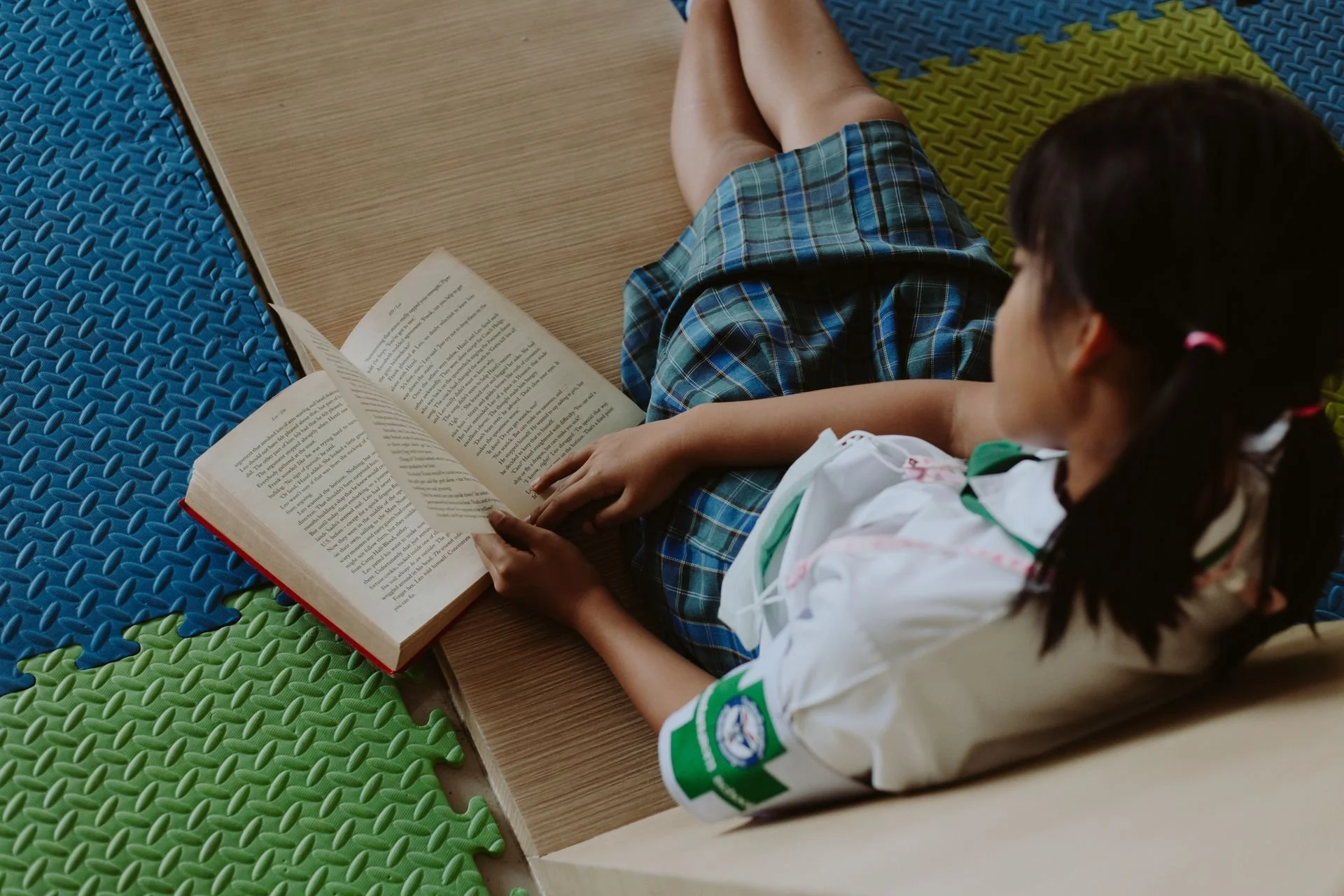
Think about what your child has just done all day.
They’ve listened, learned, sat still, followed instructions, navigated friendships, dealt with noise and distractions, moved from one task to another and processed an enormous amount of information.
Then they walk through the door and we ask:
“How was your day?”
“Do you have homework?”
“Did you remember your lunch container?”
“We have to leave for hockey in 40 minutes!”
And sometimes… they fall apart.
If your child seems cranky, emotional, exhausted or completely done by the end of the school day, consider giving them something very simple before asking them to tackle the next thing:
Ten minutes to reset.
Why do kids need time to decompress after school?
School requires kids to manage a lot at once. They’re concentrating, remembering instructions, interacting with other kids, managing emotions and behaviour, and constantly responding to what’s happening around them.
Even when they’ve had a great day, that can be tiring.
And just because the school bell rings doesn’t mean their brains and bodies instantly switch into “home mode.”
A short transition period gives them a chance to shift gears before homework, activities, chores and the evening routine begin.
What does an after-school reset look like?
This is the best part: you don't have to organize it.
Let them grab a snack and some water. Head outside. Shoot a basketball. Jump on the trampoline. Walk the dog. Put on some music. Lie on the floor.
For some kids, the reset might involve movement. For another child, it might mean sitting quietly with a snack and not talking to anyone for a few minutes.
The goal isn't to add another task to your child's day.
It's actually the opposite.
For a few minutes, nothing is expected of them.
If you can get them outside and moving, even better
After spending much of the day indoors and concentrating on things relatively close to them — books, worksheets and screens — getting outside provides a completely different environment.
They can move their bodies, look farther into the distance, experience natural light and get a break from the demands of the classroom.
It doesn't need to be organized exercise. Play counts. Walking counts. Shooting hoops in the driveway counts.
And you don't need an hour.
We're talking about 10 minutes.
What about homework and after-school activities?
They're still there.
The idea isn't to avoid responsibilities. It's simply to create a little breathing room between one set of demands and the next.
Think of it as a transition:
School → RESET → homework, sports, dinner and evening activities.
You may even find that those next things go a little more smoothly when your child has had a chance to decompress first.
And if 10 minutes sometimes becomes 20? That's okay too.
Try it for a week
This is one of those health habits that doesn't require buying anything, scheduling anything or completely overhauling your family routine.
For the next week, when your child gets home from school, try resisting the urge to immediately ask about homework, empty the backpack or start the next activity.
Give them a snack, some water and 10 minutes.
Then see what you notice.
Sometimes 10 minutes of doing “nothing productive” might be one of the most productive things your child does all afternoon.
Frequently Asked Questions
Why is my child so tired or emotional after school?
A school day can involve sustained attention, learning, social interaction, noise, transitions and managing behaviour and emotions. Some children simply need time to decompress once they get home.
How long should kids have to decompress after school?
There isn't one perfect amount of time for every child. Ten minutes is simply an easy place to start. Some children may need more, while others transition quite easily.
Should kids have screen time as their after-school break?
It depends on the child and your family's routine, but consider experimenting with movement, outdoor time, a snack, music or quiet time first. The goal is to give them a genuine change of pace from the demands of the school day.
What are some good after-school activities to help kids unwind?
Keep it simple: outdoor play, walking the dog, riding a bike, shooting hoops, swinging, listening to music, drawing, having a snack or simply having a few quiet minutes without demands.
What if we have to leave for activities right after school?
The reset doesn't have to happen at home. A snack and a few quiet minutes in the car, a short walk before entering the arena, or simply not filling every available minute with questions can create a small transition between school and the next activity.

Dr. Shawna Dingman is a chiropractor and owner of Elevate Women’s Health Centre in Port Perry, Ontario. Her practice provides chiropractic care for women, children and babies, with a focus on healthy development, nervous system function and helping families build practical habits that support lifelong health.