Don’t Wait Until They Hurt: Why Paying Attention to How Kids Move Matters
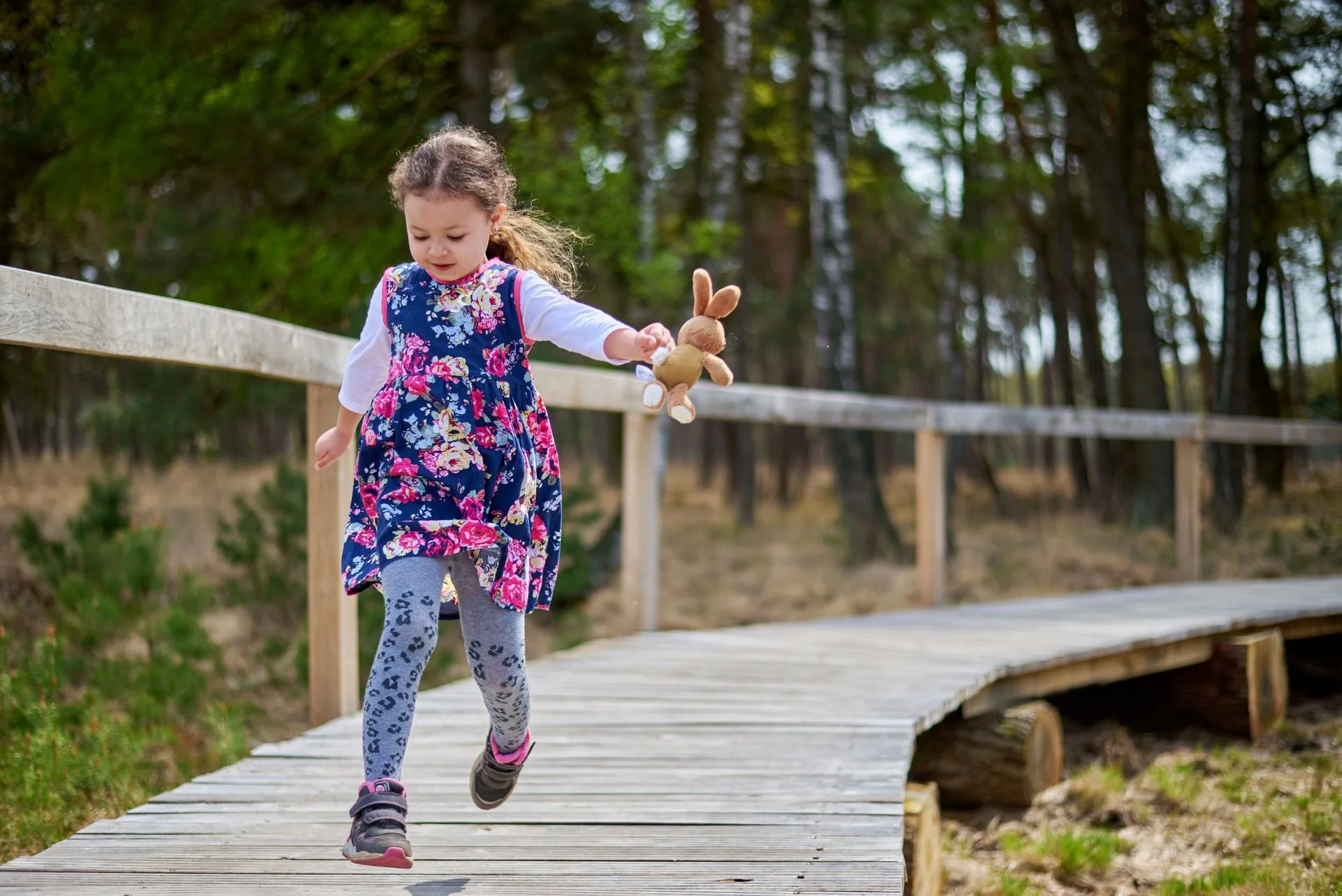
When we think about whether our kids are healthy, pain is often one of the things we use to judge it.
If nothing hurts, everything must be fine… right?
Not necessarily.
Kids’ bodies are incredibly adaptable. They can compensate, change the way they move and work around little limitations without ever complaining about pain. And because they’re busy being kids, they’re usually not analyzing whether one hip moves differently than the other or whether they always balance better on one leg.
But those little things are worth paying attention to.
What should parents notice about how their kids move?
You don't need to analyze every step your child takes or turn your living room into a movement assessment lab. Just watch them occasionally.
Can they comfortably squat down to the floor and get back up?
Can they balance on either leg?
When they run, climb, jump or throw, does one side seem noticeably easier than the other?
Can they turn their head comfortably in both directions?
Do they avoid certain movements or activities?
Do they frequently say something feels tight, awkward or uncomfortable?
And perhaps most importantly — has something changed?
Maybe they suddenly don't want to participate in an activity they used to love. Maybe they're moving differently after a growth spurt. Maybe one side seems much more coordinated than the other.
None of these automatically means something is wrong. Human beings aren't perfectly symmetrical, and children develop at different rates.
They're simply things worth noticing.
Pain isn't the only reason to pay attention
We often wait for pain before we do something about our bodies.
But movement, strength, balance, coordination and mobility are all part of how our bodies function — and they matter long before something hurts.
This is especially relevant for kids because they're constantly changing.
Their bones are growing. Their muscles are getting stronger. They're learning new physical skills. They're sitting at desks, carrying backpacks, looking at screens, playing sports, falling off bikes, jumping off playground equipment and generally doing all the things kids do.
Their bodies have a lot to adapt to.
Growing bodies need movement
One of the best things we can do is give kids plenty of opportunities to move in different ways.
They don't necessarily need more organized exercise.
They need to run. Climb. Hang. Jump. Crawl. Balance. Throw. Ride bikes. Play outside. Walk on uneven ground. Pick things up. Get down on the floor and back up again.
Different types of movement give growing brains and bodies different experiences to learn from.
Rather than worrying about whether your child has “perfect posture” or moves exactly the same on both sides, think variety.
Are they using their body in lots of different ways?
What if you notice something?
Start by watching.
Sometimes what you notice disappears just as quickly as it appeared, particularly during periods of rapid growth or when a child is learning a new skill.
But if something persists, your child starts avoiding certain movements, their function changes, or they're experiencing pain, it's worth having it assessed by an appropriate health professional.
As a chiropractor who has cared for children for many years, I'm interested not only in whether a child hurts, but also in how their spine and body are functioning and moving.
Because pain isn't the only information our bodies give us.
So every once in a while, watch your kids move.
Not because you're looking for something to be wrong.
But because movement is one of the ways their growing bodies show us how they're doing.
Frequently Asked Questions
Should kids be perfectly symmetrical when they move?
No. Some degree of difference between sides is normal, and children develop at different rates. What can be more useful is noticing a significant difference, a persistent limitation or a change from how your child normally moves.
What are some simple movements parents can watch at home?
Watch your child squat, run, jump, climb, balance on each leg, reach overhead and turn their head from side to side. This isn't meant to diagnose a problem — it's simply an opportunity to notice how comfortably and confidently they move.
Is poor posture in children always a problem?
No. Kids naturally change positions frequently, and there isn't one perfect posture they need to maintain all day. Rather than constantly correcting posture, encourage regular movement and a variety of positions throughout the day.
When should I be concerned about how my child moves?
Persistent pain, limping, loss of function, weakness, a significant change in movement, or avoiding activities because something hurts or feels difficult are good reasons to speak with an appropriate healthcare professional.
Why would a child see a chiropractor if they don't have pain?
Some parents choose chiropractic care because they want someone to assess how their child's spine and musculoskeletal system are moving and functioning, rather than waiting until pain is present. Whether chiropractic care is appropriate depends on the individual child and the findings of their assessment.

Dr. Shawna Dingman is a chiropractor and owner of Elevate Women’s Health Centre in Port Perry, Ontario. She has been caring for families since 2000, with a particular focus on chiropractic care for women, children and babies.